How Invoice Factoring Works for Small Businesses
Invoice factoring lets small businesses turn unpaid invoices into immediate working capital. Here's how the process works, what it costs, and how to decide if it's right for your business

Author
Founder, Bread Route
Blake Tawney is the founder of Bread Route, a modern marketplace designed to help small business owners access financing and insurance solutions with clarity and speed. With a background spanning both finance and commercial insurance, Blake developed a deep understanding of how capital flows through businesses — and where traditional systems fall short for everyday operators.
Prior to founding Bread Route, Blake built hands-on experience working directly with financial products, risk management, and business advisory. This dual exposure to lending and insurance gave him a unique perspective on how fragmented and inefficient the process can be for small businesses trying to secure funding or coverage. Recognizing this gap, he set out to create a more streamlined, data-driven approach that prioritizes access, transparency, and speed.
Blake's work is rooted in a simple idea: small businesses deserve better access to financial tools that help them grow. Through Bread Route and his broader ventures, he continues to build platforms that bridge the gap between demand and capital — turning complex financial decisions into clear, actionable pathways.

Invoice factoring lets small businesses turn unpaid invoices into immediate working capital. Here's how the process works, what it costs, and how to decide if it's right for your business

A business owner policy (BOP) bundles general liability and commercial property coverage into a single, streamlined package designed for small businesses. This guide breaks down what a BOP covers, what it doesn't, and how to decide if it's right for you

Merchant cash advances and short-term business loans both provide fast capital, but they work very differently. Here's a practical breakdown to help you decide which option fits your business

General liability and professional liability insurance protect your business in different ways. Here's a clear breakdown of what each covers, how they differ, and which one your business may need

Understanding SBA loan requirements is the first step toward securing affordable small business financing. This guide breaks down eligibility criteria, documentation, and practical steps to strengthen your application in 2026

Bad credit doesn't have to shut down your financing options. Here's a practical guide to getting a small business loan even when your credit score is less than ideal

SBA 7(a) and 504 loans now require 100% U.S. citizen or national ownership, effective March 1, 2026. Learn who’s affected and what alternative options exist.

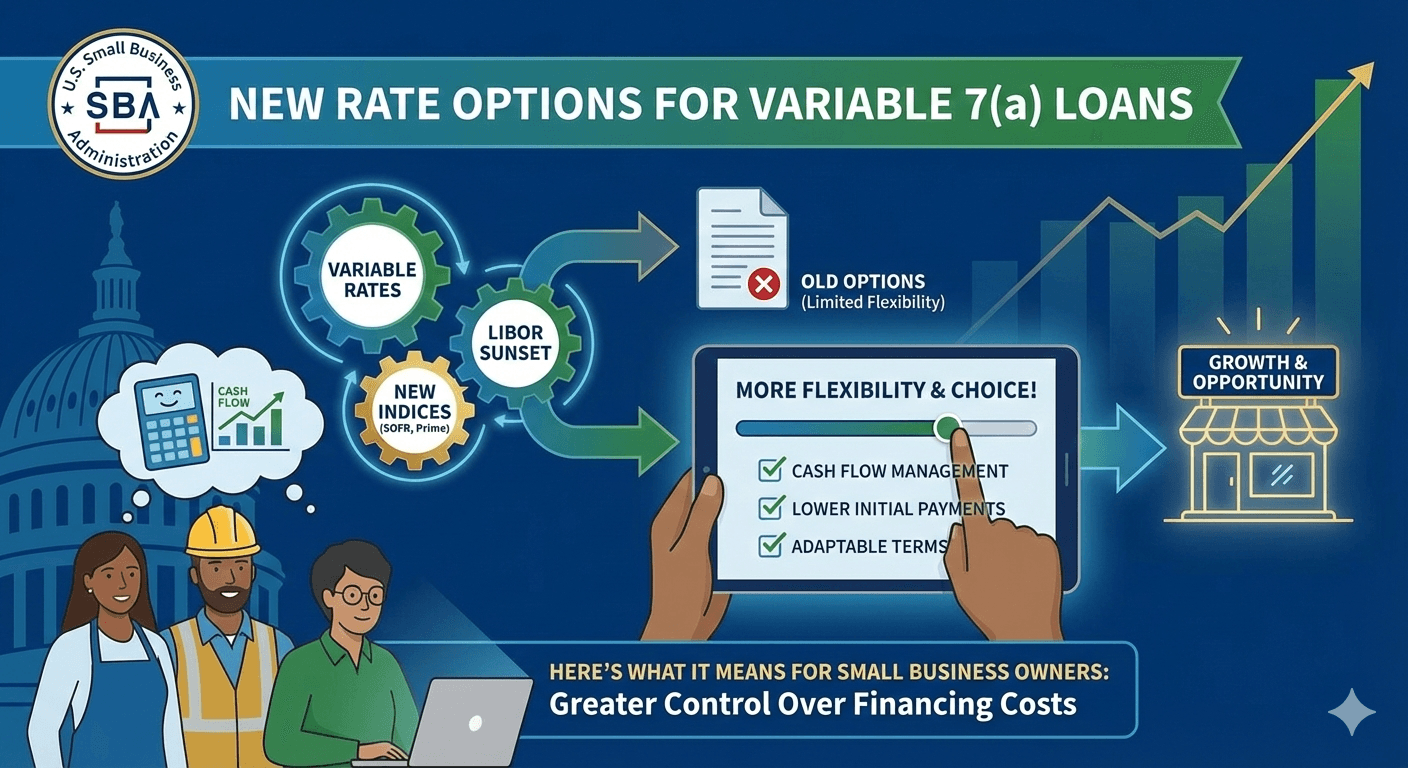
SBA now allows 5-year Treasury, 10-year Treasury, and SOFR base rates for variable 7(a) loans. Learn how rates are calculated and what to ask lenders.

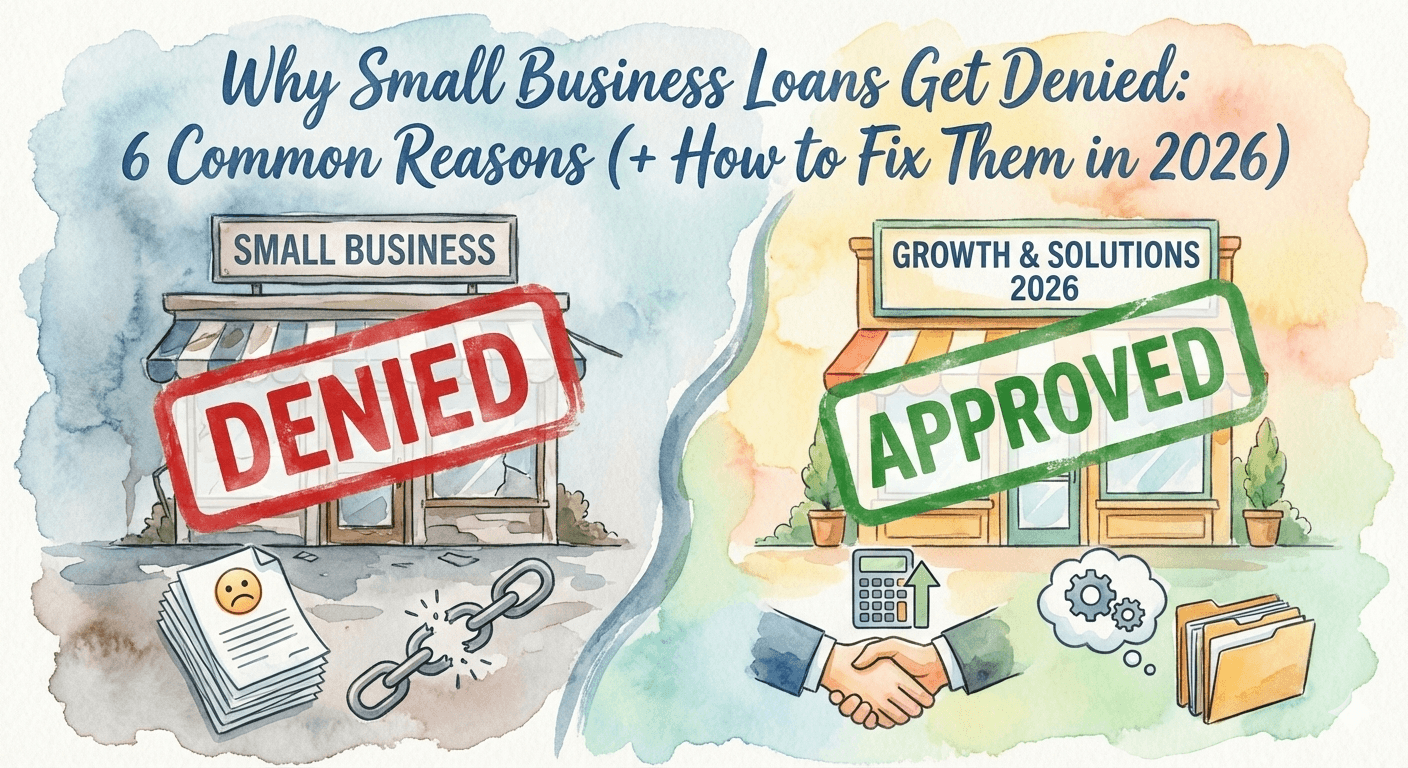
Most loan denials are fixable. This guide breaks down the 6 most common rejection triggers—with exact steps to fix each one before you reapply.

Get approved for a small business loan faster. Learn the 5 factors lenders check, how to fix denial triggers, and the proven 14-day profile cleanup plan.

Bread Route is the free marketplace for small business loans and insurance. Compare vetted lenders, browse 14 financing types, and get matched in minutes.

Build your business credit score from scratch or improve it fast. Learn which bureaus matter, how to get tradelines, and what lenders actually check.

Everything you need to know about SBA loans. Compare 7(a), 504, and microloan programs, eligibility requirements, and how to apply successfully.

Working capital loans and term loans solve different problems. Compare costs, repayment structures, and use cases to pick the right financing for your business.

Finance business equipment with loans or leases. Compare credit requirements, lender options, and maximize Section 179 tax deductions for your business.